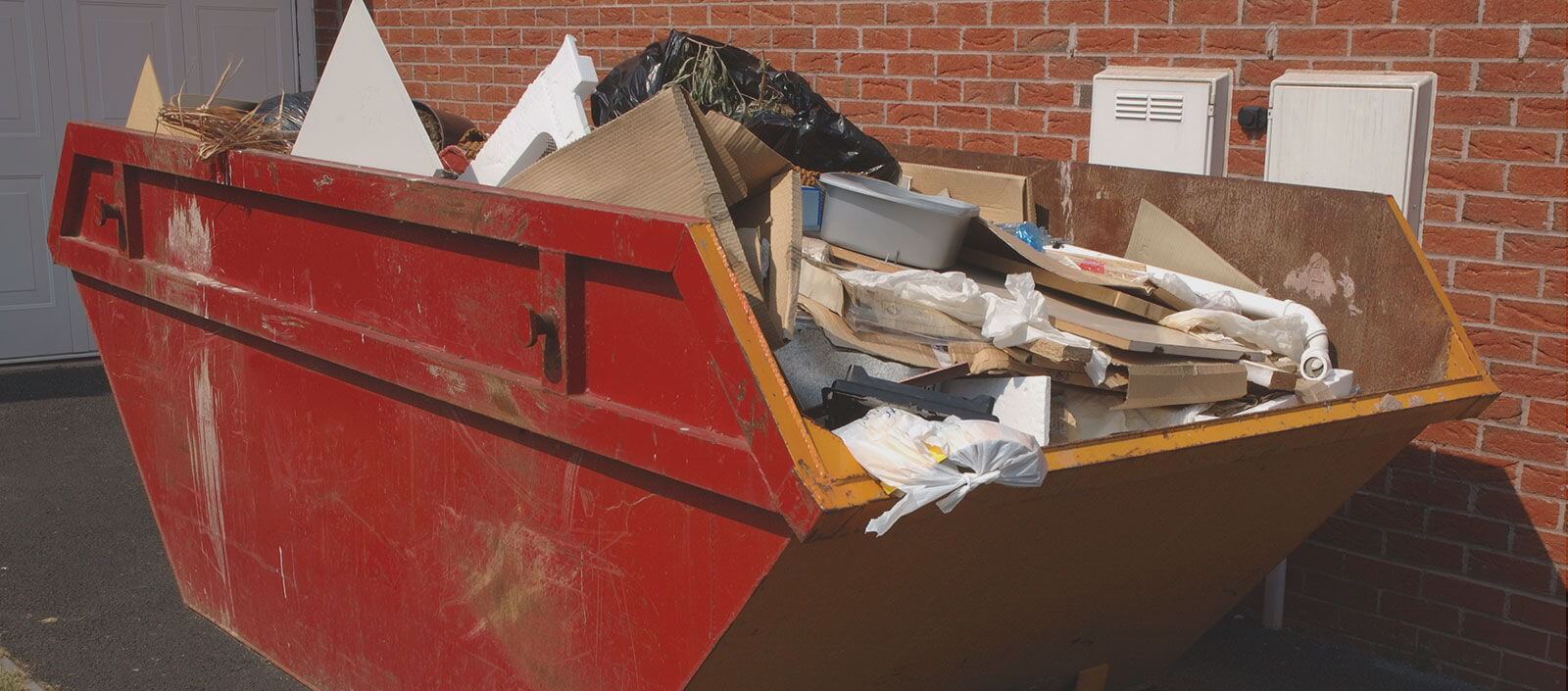
Camden Council rubbish rules Swiss Cottage what to know about permits
Posted on 12/10/2026
If you live, work, or manage a property in Swiss Cottage, rubbish rules can feel straightforward right up until they are not. One day you are clearing a flat, the next you are arranging a skip, moving furniture, or trying to understand whether a permit is needed at all. Camden Council rubbish rules Swiss Cottage what to know about permits is a topic that catches people out because the details change depending on what you are disposing of, where it sits, and how long it stays there.
This guide breaks it down in plain English. You will get a practical overview of permits, what usually triggers them, how to avoid delays, and how to keep a rubbish collection or clearance job running smoothly in a busy London neighbourhood. No waffle. Just the useful stuff you actually need.

Why Camden Council rubbish rules Swiss Cottage what to know about permits Matters
Let's face it: rubbish is only simple until it gets in the way. In Swiss Cottage, where streets can be busy, pavements narrow, and parking space at a premium, the wrong setup can quickly become a problem. A skip left out without the right permission, bulky waste placed in the wrong spot, or a collection arranged without checking access can lead to avoidable costs and frustration.
For residents, landlords, tenants, and small businesses, the main issue is usually not the waste itself. It is the logistics around it. Where can it go? Does it need a permit? Is there enough room? Will the collection block access for neighbours or pedestrians? Those are the questions that tend to matter most in real life.
This also matters because waste rules are tied to compliance and neighbour relations. A tidy street, a clear pavement, and a sensible collection plan make life easier for everyone. Sounds obvious, but in practice people often assume a contractor will sort everything out automatically. Sometimes they do. Sometimes they do not. That is where a little local knowledge saves a headache.
For larger clearances, it can also help to compare options. A domestic collection may suit a small flat declutter, while a more involved project might call for a wider service such as waste removal in Swiss Cottage or a targeted solution like house clearance in Swiss Cottage. The right choice often comes down to access and volume rather than just price.
How Camden Council rubbish rules Swiss Cottage what to know about permits Works
At a practical level, rubbish rules usually revolve around three things: the type of waste, where it will be stored or collected, and who is responsible for arranging it. In Swiss Cottage, the permit question often comes up when you are dealing with skips, temporary placement on public land, or anything that might affect the highway, pavement, or parking space.
If waste stays entirely on private land, the permit issue may be different or may not apply in the same way. But once something moves onto a road, verge, parking bay, or pavement, it is sensible to check carefully. That is the point where many people trip up. A collection bag outside a house might seem harmless, but if it sits there too long or interferes with access, it can become an issue.
Permits are usually about permission to use public space, not permission to create waste. That distinction matters. A permit is generally there to say, "yes, this item or container can be here for this purpose, for this period." The exact requirement depends on the setup, so you should always confirm before anything is placed outside.
In practical terms, here is how the process often works:
- Identify what you are disposing of and how much of it there is.
- Decide whether the waste will be stored on private property or public land.
- Check whether the container, skip, or collection will need a permit or permission.
- Arrange access so the collection crew can safely load the waste.
- Keep the waste separated if recyclable or restricted items are involved.
For many everyday clearances, a straightforward service such as rubbish collection in Swiss Cottage can be easier than organising multiple trips. For heavier or more awkward loads, something like builders waste disposal in Swiss Cottage is often a better fit.
What usually triggers a permit conversation?
In most real-world cases, it is one of these situations: a skip on the road, a loading bay arrangement, a container placed on the pavement, or a collection that needs to occupy shared access space. You may also need to think about timing. Early mornings, school run hours, and peak traffic periods can make even a small job more complicated.
And yes, the paperwork side can feel a bit dull. But a five-minute check is still better than the awkward phone call later when a container has to be moved. Nobody enjoys that. Nobody.
Key Benefits and Practical Advantages
Understanding Camden Council rubbish rules and permit basics gives you more than just compliance. It gives you control. That might sound grand, but in practice it means fewer surprises, fewer delays, and less wasted money.
- Better planning: you can choose the right disposal method before the rubbish is already outside your property.
- Fewer fines or enforcement issues: if a skip or waste container is placed correctly, the risk of avoidable problems goes down.
- Smoother access: neighbours, delivery drivers, and pedestrians are less likely to be disrupted.
- Cleaner scheduling: collections can be timed around work, move-out dates, or renovation deadlines.
- More predictable costs: when you know whether permits or extra arrangements are needed, the quote is usually easier to understand.
There is also a quieter benefit: peace of mind. You know the job has been thought through properly. That matters when you are dealing with a flat clearance at the end of a tenancy, or a kitchen rip-out that needs the street to stay usable.
If sustainability matters to you, the right disposal choice can also improve recycling outcomes. A service that sorts materials sensibly, rather than throwing everything into one mixed pile, is usually the better option. For readers who care about that side of things, recycling and sustainability is worth bearing in mind alongside the permit question.
Expert summary: If the waste touches shared or public space, stop and check the rules before you book. If it stays fully on private land, confirm the access and collection details anyway. That one habit prevents a surprising number of problems.
Who This Is For and When It Makes Sense
This topic is relevant to a wider group than most people expect. It is not just for builders or landlords. If anything, the permit issue affects ordinary household jobs the most, because people do not always think of themselves as needing formal permission until the waste is already sitting in the wrong place.
You will likely find this useful if you are:
- clearing out a flat or house in Swiss Cottage
- removing bulky items after a move
- arranging builders waste from a renovation
- dealing with office furniture or commercial rubbish
- managing waste for a landlord, agent, or tenant handover
- planning a one-off clearance after a burst pipe, refit, or refurbishment
It also makes sense for people comparing service types. For example, if you are getting rid of an old sofa, a fridge, and a few bags of general waste, a specialist service may be quicker than hiring a larger container that sits outside all week. By contrast, if you have a major clear-out with mixed debris, a bigger disposal plan may be more efficient.
A realistic example? A family in Swiss Cottage moving out after years in the same property might have cardboard, broken furniture, old small appliances, and a few awkward items that just will not fit in the car. In that situation, the main question is not "what can we throw away?" It is "how do we remove it without blocking the street or doing this twice?"
That is where services such as furniture removal in Swiss Cottage or white goods and appliance disposal in Swiss Cottage can be especially practical.
Step-by-Step Guidance
Here is a sensible way to approach rubbish permits and local disposal planning without overcomplicating it.
1. Identify the waste
Start by listing what needs to go. Separate general waste from bulky items, reusable furniture, appliances, garden cuttings, and construction debris. A rough list is enough at first. You are looking for volume, weight, and awkwardness. Old wardrobes and wet plaster are very different beasts, as anyone who has tried to carry both down a narrow staircase knows.
2. Decide where the waste will be placed
If it can remain on private property until collection, that usually simplifies things. If it needs to sit on a public road or pavement, pause and check whether permission or a permit is needed. This is the point where assumptions tend to go wrong.
3. Check access and timing
Ask yourself: can a vehicle stop nearby? Will it block residents? Is there space for turning, loading, or temporary storage? In a busy part of London, timing is just as important as size. A collection at the wrong hour can create more disruption than the waste itself.
4. Choose the right service type
Match the job to the service, not the other way around. Domestic collection suits smaller mixed loads. A clearance service works better for rooms or whole properties. Builders waste disposal is more suitable for renovation debris. If you are doing a bigger project, commercial waste removal in Swiss Cottage may be the cleaner route for offices, shops, or managed premises.
5. Confirm permit needs before booking
This is the step people skip, then regret later. Ask the provider what is needed and make sure the arrangement is clear before the collection day. If anything will sit on a public surface, treat the permit question as active until confirmed otherwise.
6. Separate and prepare the waste
Break down items if safe to do so. Keep hazardous or restricted materials apart. Make a clear path for collectors. The easier you make the loading process, the smoother the job tends to go.
7. Keep records
Even if it is just a one-off clearance, keep the quote, booking details, and any permit confirmation or written agreement. It helps if there is a question later about timing, access, or responsibility.
Expert Tips for Better Results
There are a few small things that make a big difference. They are not glamorous, but they save time.
- Book with a buffer: if you are moving out or expecting trades on site, do not leave disposal until the last possible day.
- Measure awkward items: a mattress, wardrobe, or appliance may be heavier than it looks in a small hallway.
- Ask about mixed loads: some clearances are straightforward until someone adds a broken radiator, rubble, or a fridge. Then the plan changes.
- Think about neighbours: in apartment blocks especially, one poorly timed collection can become everyone's problem.
- Choose the least disruptive option: the cheapest option is not always the best if it causes delays or requires a second visit.
If you are dealing with a property project, whether that is a move, renovation, or probate-style clearance, it often helps to think two steps ahead. What happens if the waste is more than expected? What if access is tighter than you thought? What if the lift is out? Small questions, sure, but they matter.
To be fair, a lot of waste jobs go perfectly well when planned properly. It is only when people assume the job is "simple enough" that the wheels wobble a bit. Not always. But often enough.

Common Mistakes to Avoid
Most rubbish-rule problems are not dramatic. They are ordinary mistakes made under time pressure. The good news is that they are easy to avoid once you know what to look for.
- Assuming a permit is never needed: if waste or a container touches public space, check first.
- Leaving waste out too early: some people set items outside the night before and hope for the best. That can backfire.
- Mixing the wrong materials: certain items need separate handling, especially appliances or renovation debris.
- Ignoring access constraints: a truck may not fit where a van does, and turning space in Swiss Cottage can be limited.
- Not asking about loading support: if heavy lifting is involved, you want to know who does what.
- Forgetting building rules: flats and managed blocks often have their own booking or waste rules on top of council-related requirements.
One of the most common issues we see is someone arranging a collection based on the amount of rubbish in their head, not the amount actually on the floor. When the bags are stacked, it looks different. Much different. A neat pile can turn into a surprise mountain, and that changes the plan fast.
Tools, Resources and Recommendations
You do not need fancy tools to handle rubbish properly, but a few practical things help a lot.
- Measuring tape: useful for bulky items, stairways, and doorway checks.
- Phone photos: helpful when requesting a quote or confirming access.
- Bin liners and labels: useful for sorting general waste, recycling, and items to keep.
- Gloves and sturdy footwear: especially for mixed waste, dusty items, or garden clearances.
- Notepad or checklist: simple, old-fashioned, effective.
If you need a broader service overview before you book, it can help to review the available options on services overview and then narrow things down to the exact job. For pricing clarity, a page like pricing and quotes can also make it easier to compare your options without guesswork.
For trust and due diligence, it is sensible to understand how a provider handles safety and compliance. A clear policy page on insurance and safety and a compliance-focused page such as waste carrier licence and compliance are the sort of details that should give you confidence, not confusion.
Law, Compliance, Standards, or Best Practice
When rubbish disposal touches public land, traffic, shared access, or regulated waste streams, best practice becomes more than a nice extra. It is part of doing the job properly. You do not need to be a legal expert to make sensible decisions, but you do need to be careful.
In general, the safest approach is to follow three principles:
- Check before placing: never assume public-space use is fine without confirmation.
- Use a responsible carrier: make sure the waste is handled by someone who can lawfully transport and dispose of it.
- Keep waste segregated where appropriate: recycling, appliances, and construction materials may need different handling.
For householders and landlords, this is partly about avoiding nuisance and partly about keeping the site tidy and defensible if anyone questions the arrangement. For businesses, the standard is even higher, because commercial premises usually have more people affected by a poor disposal setup.
Best practice also includes communication. If the waste will be near neighbours, in a shared car park, or outside a property with multiple users, tell people in advance. A quick note can prevent a complaint. That small human step gets overlooked all the time, and it should not be.
Compliance is not just paperwork. It is visible behaviour: safe loading, sensible timing, tidy presentation, and proper disposal. That is what people notice on the street at 8 a.m. when a collection truck rumbles in and the kettle is just starting to boil.
Options, Methods, or Comparison Table
Choosing the right waste solution depends on how much you have, where it is, and how quickly it needs to go. Here is a simple comparison to help you decide.
| Option | Best for | Permit pressure | Typical advantage | Watch out for |
|---|---|---|---|---|
| Small rubbish collection | Mixed household waste, a few bulky items | Usually lower if kept on private land | Fast and convenient | May not suit large volumes |
| House clearance | Whole rooms, moves, end-of-tenancy clear-outs | Depends on access and storage location | Comprehensive and time-saving | Needs clear instruction and sorting |
| Builders waste disposal | Renovation debris, rubble, project waste | Can rise if space is limited | Handles heavier materials | May require more careful planning |
| Furniture removal | Sofas, beds, wardrobes, office items | Often manageable, but access matters | Good for awkward bulky items | Large pieces may need dismantling |
| Commercial waste removal | Offices, shops, managed premises | Often more likely to need coordination | Suitable for regular or larger jobs | May involve building rules or timing constraints |
The table is not about picking a winner. It is about reducing friction. If your issue is one sofa and a few bags, do not overcomplicate it. If your issue is a stripped kitchen and a stack of rubble, do not under-plan it. Simple as that.
Case Study or Real-World Example
Here is a typical Swiss Cottage scenario. A landlord is preparing a two-bedroom flat for new tenants after the old occupants have moved out. There is a damaged sofa, a dining table, several bags of mixed waste, an old fridge, and cardboard from new furnishings. The building sits on a fairly tight residential street with limited stopping space.
At first glance, the landlord thinks a standard collection might do it. But after checking the volume and access, it becomes clear that the job needs more coordination. The fridge needs careful handling, the furniture is too bulky for ordinary bin service, and the street space is too limited to leave anything sitting out for long.
The practical solution is to separate the items, confirm the access point, and arrange a service that can remove everything in one visit. Because the waste is being handled in a controlled way, the flat is ready faster and the street stays clear. No drama, no complaints, no late-night panic the day before the new tenancy starts.
That is the real value of understanding permit-related rubbish rules. It is not about making disposal more complicated. It is about making the job smoother and less risky.
Practical Checklist
Use this quick checklist before you book or place any waste outside:
- Have I identified every item that needs removing?
- Will the waste stay on private land, or does it touch public space?
- Do I need a permit or permission for the container, skip, or collection point?
- Is there enough access for the vehicle or loading team?
- Are any items restricted, heavy, or need separate handling?
- Have I checked building rules if this is a flat or managed property?
- Do I know the collection timing and how long the waste will remain in place?
- Have I asked for the quote and what it includes?
- Do I need recycling or sustainability-sensitive handling?
- Have I kept a record of the booking and any confirmation details?
If you can tick most of those off, you are in a much better position. If you cannot, pause and clarify before anything is left outside. That little pause saves a lot of unnecessary back-and-forth later.
Conclusion
Camden Council rubbish rules Swiss Cottage what to know about permits comes down to one simple idea: plan the waste before the waste plans you. When you understand where rubbish will sit, what kind of permit or permission might be needed, and how access affects the job, everything gets easier. The street stays clearer, the collection goes more smoothly, and you avoid the sort of last-minute scramble that nobody enjoys.
The best approach is usually calm, practical, and a bit more careful than you first think you need to be. That is rarely wasted effort. In fact, it is often the difference between a tidy same-day job and a messy delay.
If you are comparing disposal options or want to understand what fits your property, start with the basics, check access, and choose the method that makes the least disruption. That is usually the smartest route.
Get a free quote today and see how much you can save.
And if you take only one thing from this guide, let it be this: a few minutes of checking now can make the whole process feel much lighter later. That is worth doing.